
Published
2026-06-16
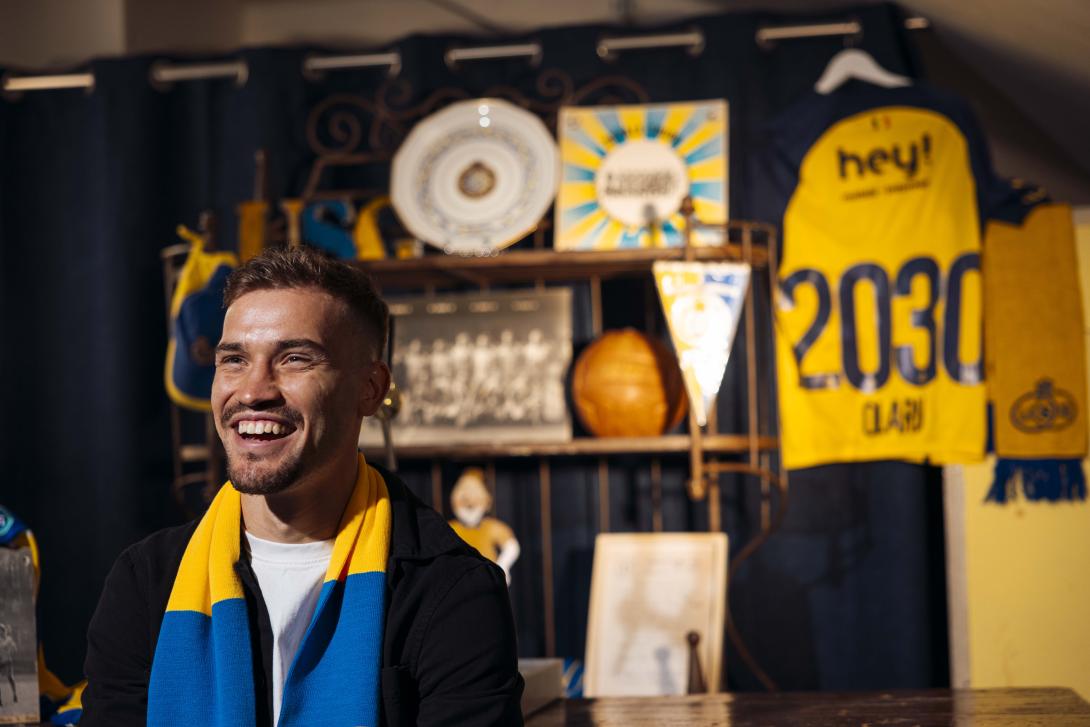
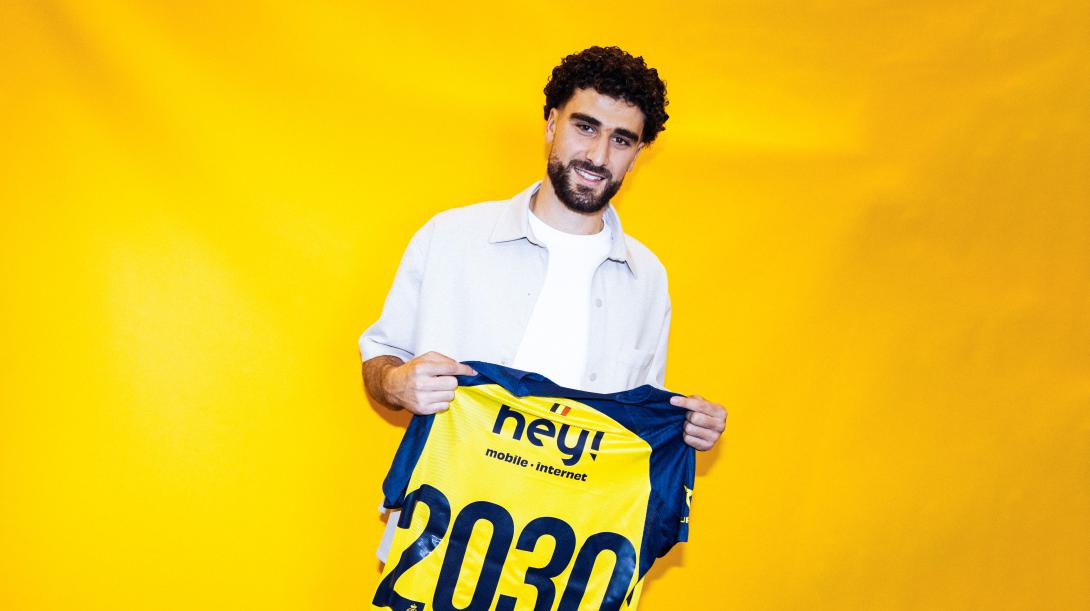
Experienced attacking midfielder Olaru signs with Union
Darius Olaru is the latest addition to Union Saint-Gilloise. The Romanian attacking midfielder joins from FCSB and has signed a contract until mid-2030

Published
2026-06-16
Darius Olaru is the latest addition to Union Saint-Gilloise. The Romanian attacking midfielder joins from FCSB and has signed a contract until mid-2030
Published
2026-06-15
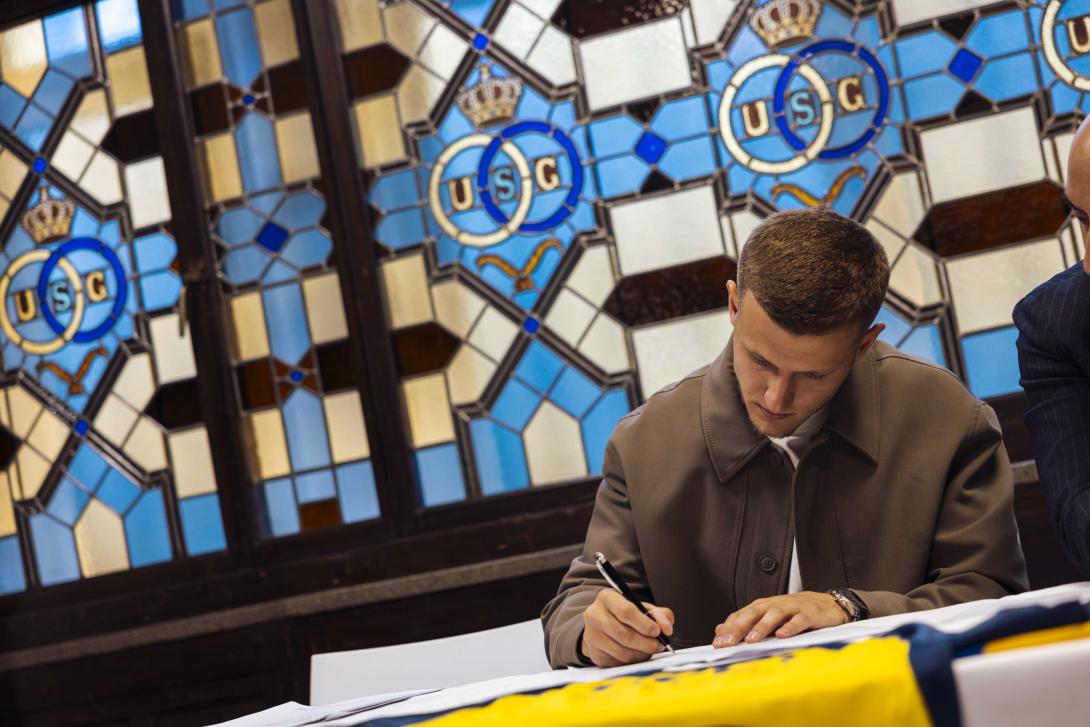
Ilan Hurtevent has signed a contract with Union Saint-Gilloise. The 21-year-old Belgian joins from Kortrijk and has committed to the Belgian Cup winners until mid-2030.
Published
2026-06-11
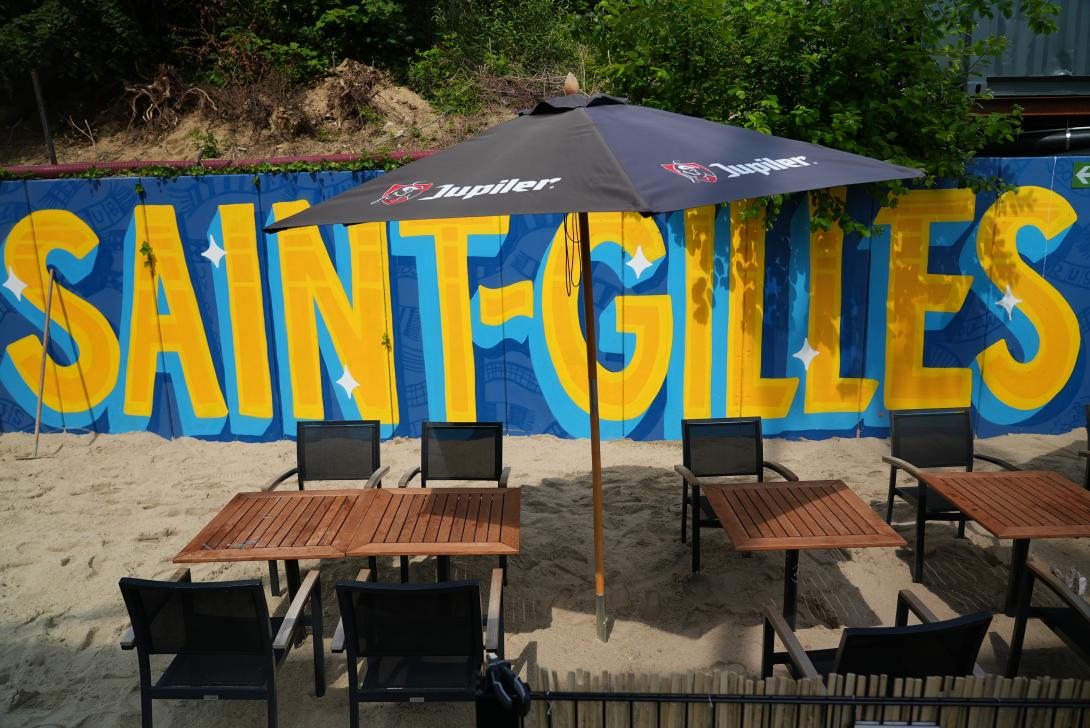
For the fourth year in a row, Union is setting up a summer beach bar in front of the North Stand. Everyone is welcome at Union Plage from June 13 until July 11.
Published
2026-06-10
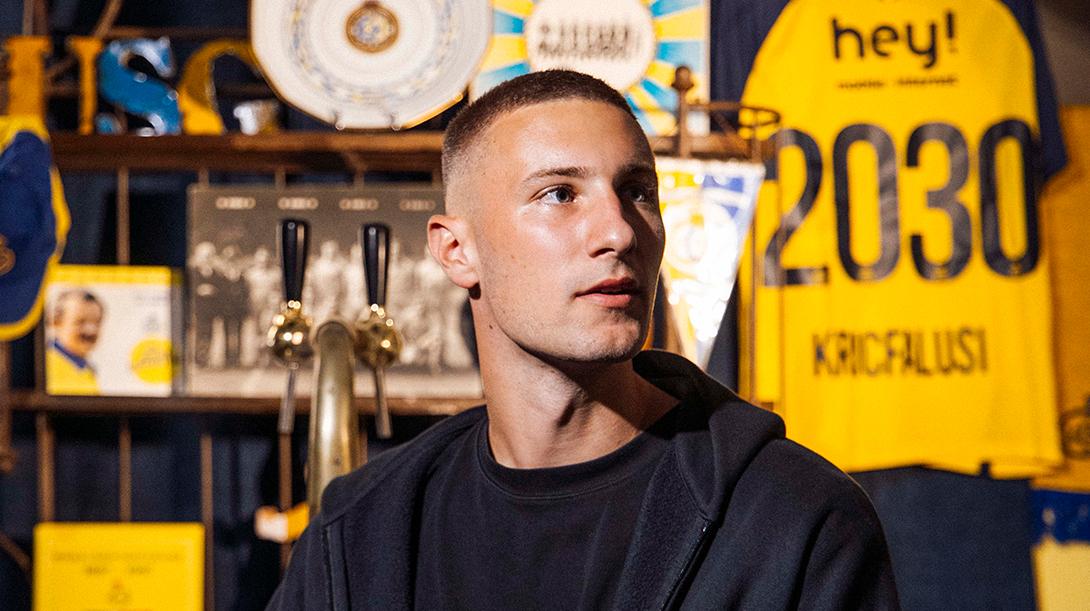
Czech defensive midfielder Ondrej Kricfalusi is the latest addition to Union Saint-Gilloise. The 22-year-old youth international joins from Baník Ostrava and has signed a contract through 2030.
Published
2026-06-08
22-year-old central defender Nohim Chibani is Union’s newest summer signing. The French-Algerian played in Ligue 3 last season and was a free agent. He has signed with the Belgian Cup winners until the summer of 2030.
Published
2026-06-03
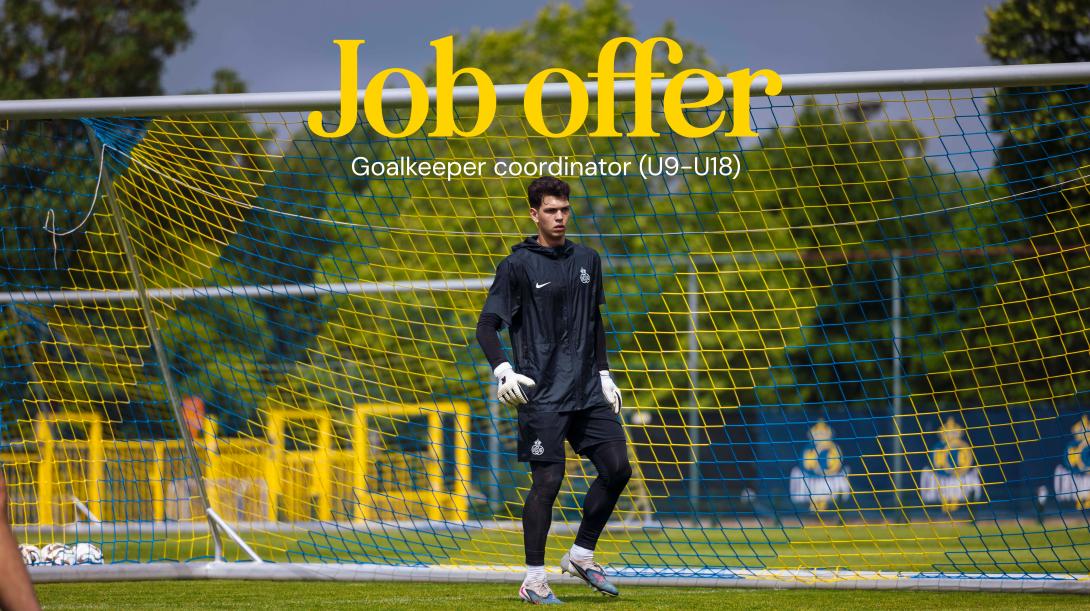
As part of the development of our women’s section and our academy structure, we are looking for a Goalkeeper Coordinator to oversee and support the goalkeepers from the U9 to U18 categories, as well as the women’s department.
Published
2026-06-03
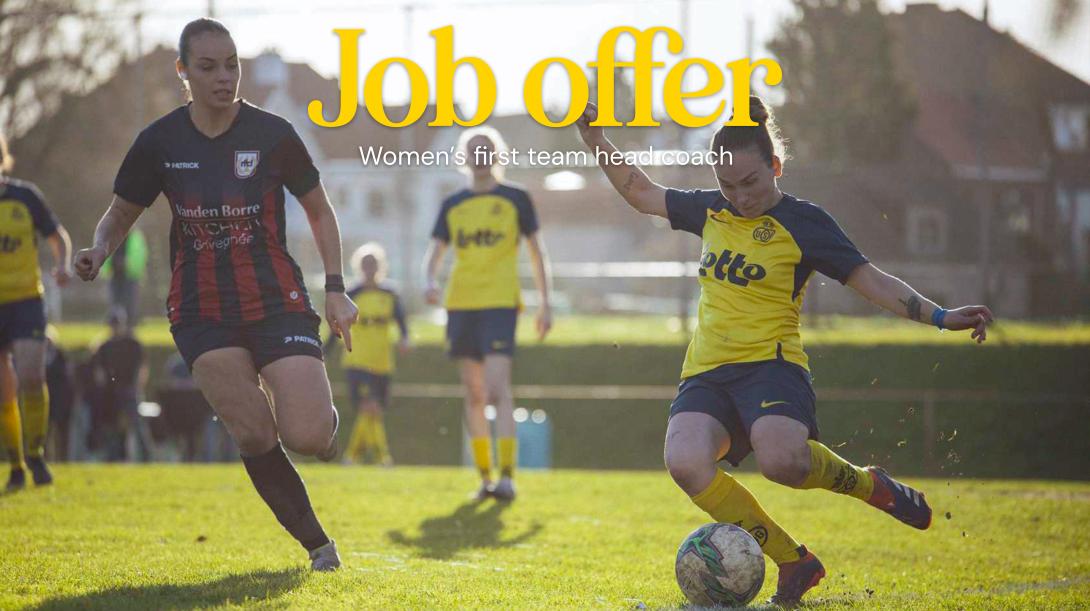
Union is currently seeking a Head Coach to lead our Women’s First Team. As Head Coach, you will be responsible for the overall sporting leadership and development of the Women’s First Team, both on and off the pitch. You will create a high-performance, competitive, and professional environment that enables players to reach their full potential.
Published
2026-06-03
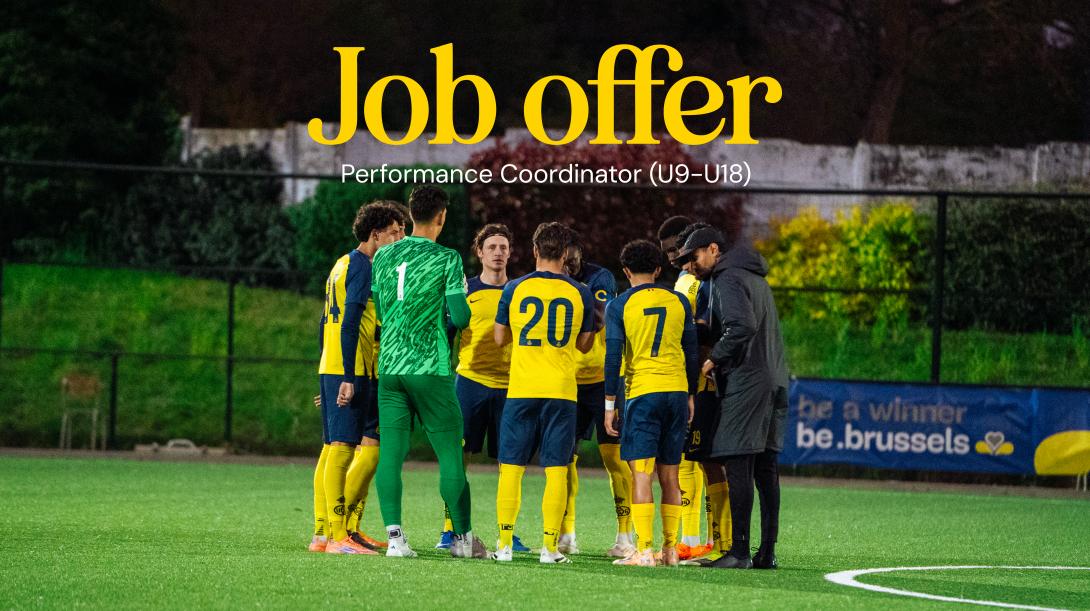
As part of the development of our academy and women’s section, we are looking for a Performance Coordinator to oversee and optimize the physical development of players from U9 to U18, as well as the women’s department.

Published
2026-05-31
Christian Burgess will not be extending his stay at Union. He has decided not to accept the club’s contract offer and brings an end to an incredibly successful chapter with his Union. He made 262 appearances in our yellow and blue shirt, scored 18 goals and provided 9 assists. We would like to thank Christian for his invaluable contribution to Union’s return to the top and the success that followed.

Published
2026-05-28
What a season we experienced together! It is now time to look ahead to the next one. On Monday 01/06, the season ticket sale for 2026/27 will begin. From that moment on, season ticket holders will have the opportunity to renew their seat or standing place.